
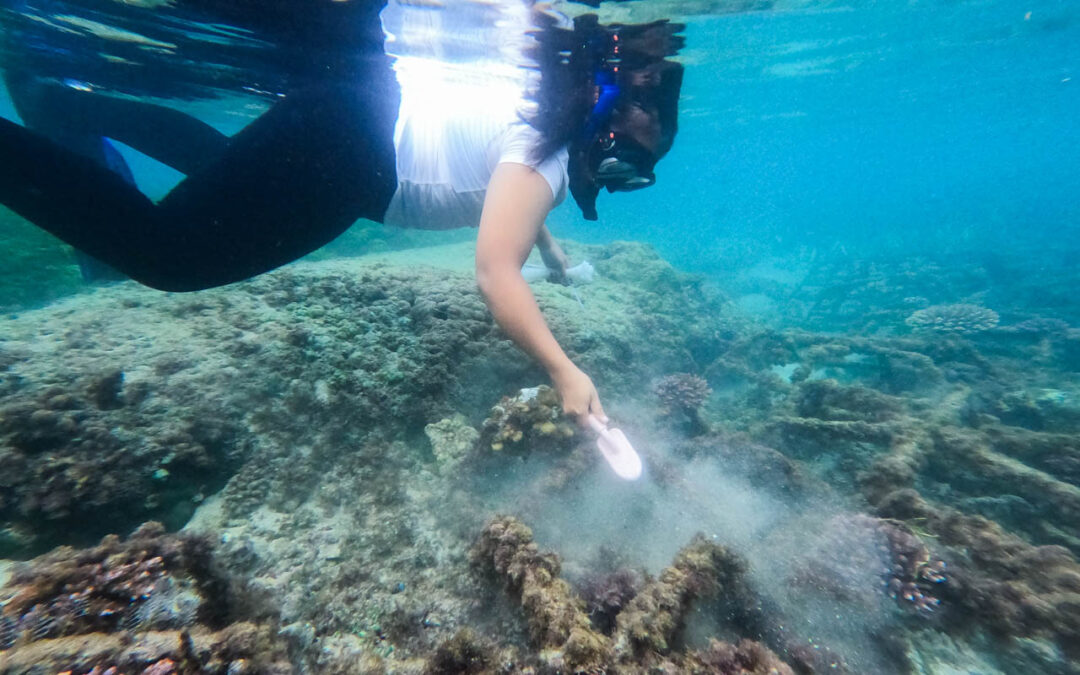
Coral reefs are living, breathing ecosystems, and like any living system, they require care and attention. Recently, we carried out our first coral maintenance of the year, and the results were both encouraging and exciting.
After nearly two months since our last session, this maintenance visit provided us with a valuable opportunity to assess how well our coral garden has been performing independently. What we discovered tells a positive story about resilience, balance, and biodiversity.
Controlled Algae Growth: A Sign of Balance
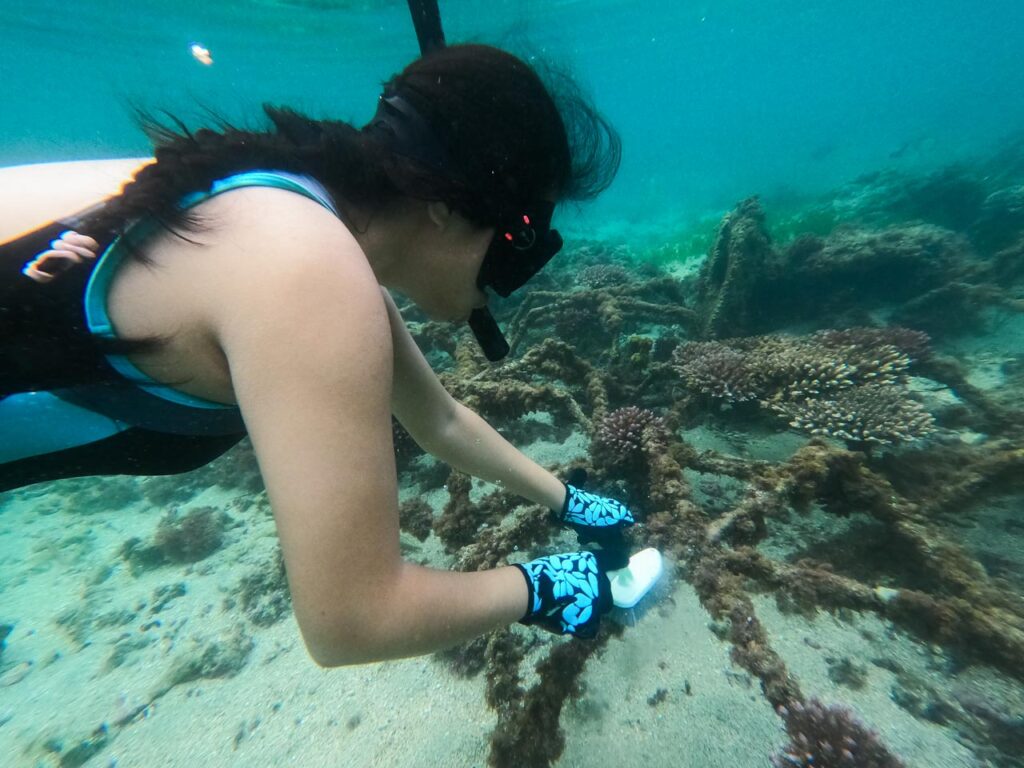
The first coral maintenance of the year is always an important milestone. It serves as a seasonal checkpoint, allowing us to evaluate how the reef has transitioned into a new environmental cycle. Changes in temperature, rainfall, and nutrient flow at the beginning of the year can influence coral and algae dynamics, making this early assessment especially meaningful.
This year, nearly two months had passed since our previous maintenance session. Naturally, we anticipated visible algae development. Algae, while part of a healthy reef ecosystem, compete with corals for space and sunlight. If left unchecked, excessive growth can overwhelm coral colonies and disrupt ecological balance.
However, what we observed was encouraging: algae growth remained well controlled. Instead of widespread overgrowth, we found manageable patches, exactly what we hope to see in a functioning reef system. This suggests: The coral ecosystem is maintaining a healthy balance; Nutrient levels remain stable; Natural grazers within the reef are actively contributing to algae control.
Rather than requiring intensive correction, the maintenance focused on routine care and light cleaning, a strong indication that the coral garden entered the year in stable condition.
Schooling Moorish Idol: A Beautiful Indicator of Habitat Health
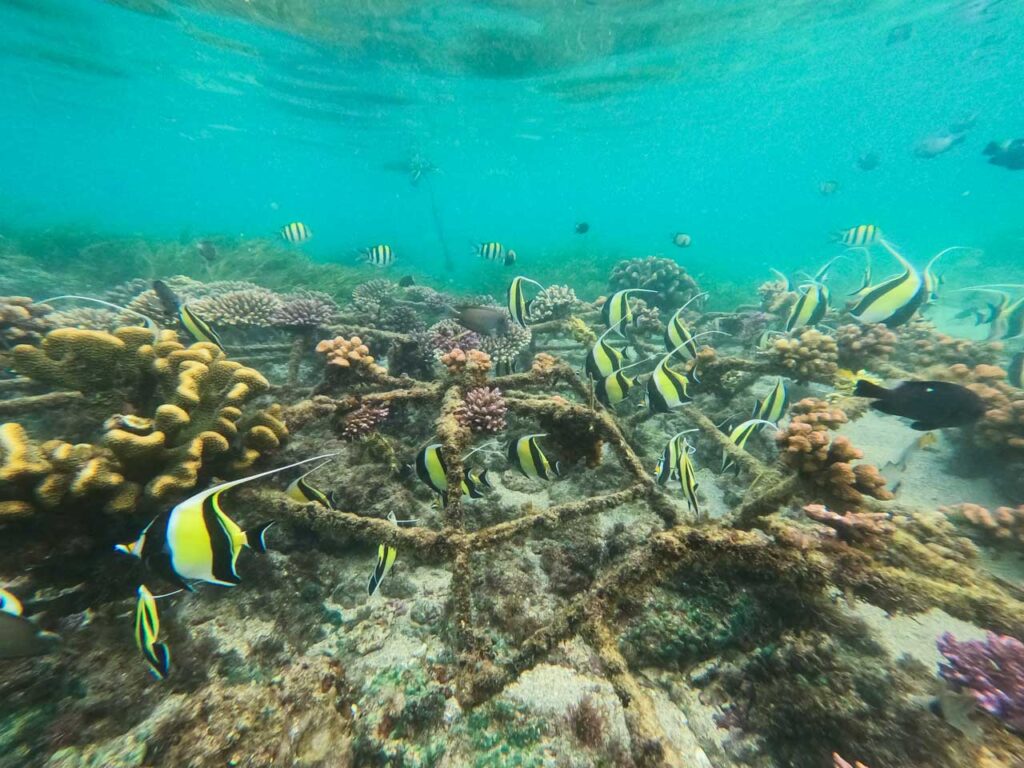
Perhaps the most visually exciting observation was the presence of schooling Moorish idols weaving gracefully through the coral structures. Moorish idols are often associated with healthy reef environments due to their reliance on complex coral habitats for feeding and shelter. Seeing them moving in groups within our coral garden suggests that the habitat is providing:
- Adequate shelter
- Sufficient food resources
- A sense of environmental stability
Their elegant, coordinated movement is more than just beautiful, it signals that the coral structures are functioning as a living ecosystem. When marine life actively inhabits and utilizes a coral garden, it is one of the clearest indicators that the reef is thriving.
What This Means for Our Coral Garden
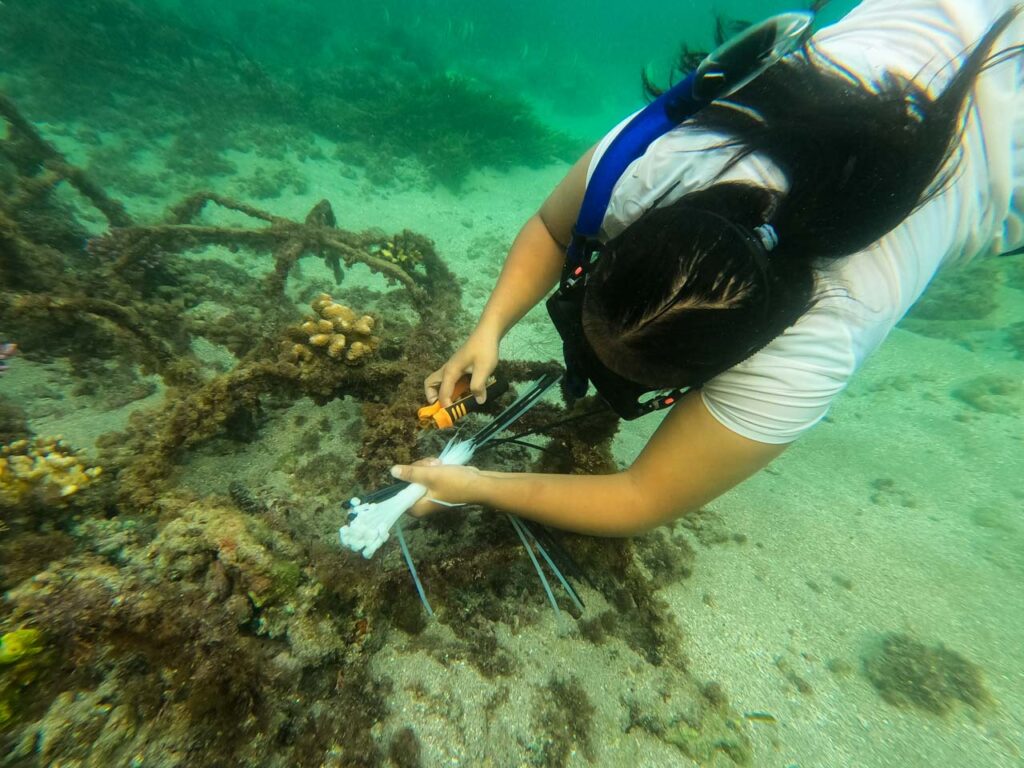
This first maintenance session of the year revealed three encouraging outcomes:
✅ Algae growth remains controlled even after nearly two months.
✅ The reef transitioned into the new year in stable condition.
✅ Schooling pennant fish are actively utilizing the coral garden.
Together, these findings suggest that our coral maintenance strategy is supporting not only coral survival, but also ecological balance and biodiversity.
Play a ROLE!
You can support our next coral restoration and maintenance activity, and be part of the solution in Bali! Reach out to us now via email to capbuild@rolefoundation.org or WhatsApp at +62 812-4686-3648!
Recent Comments