
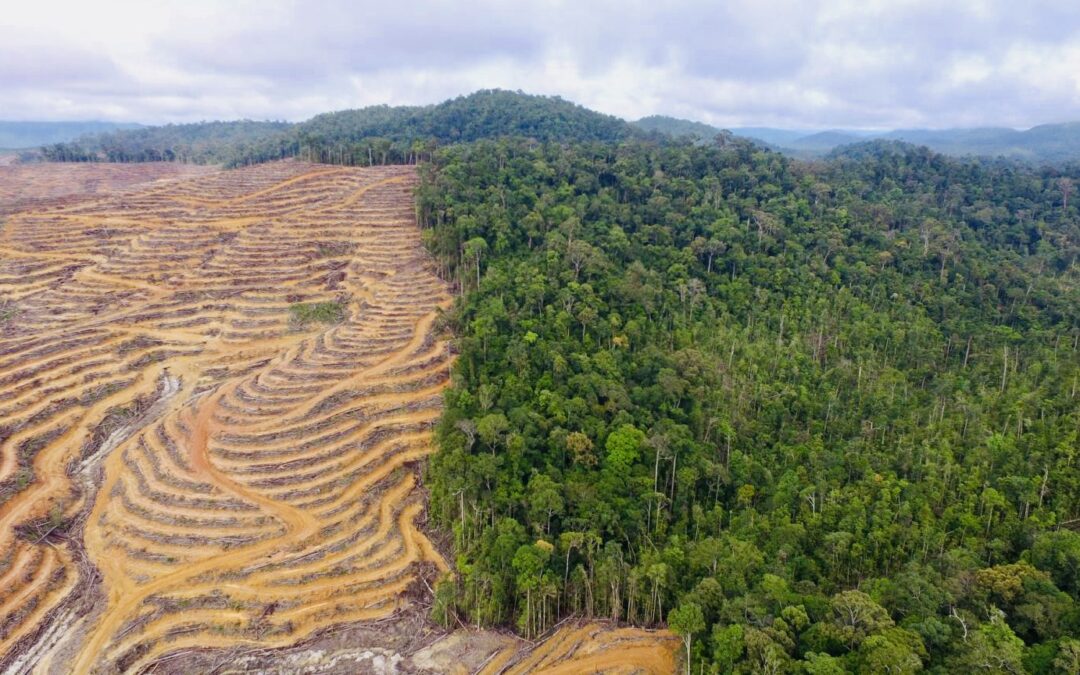
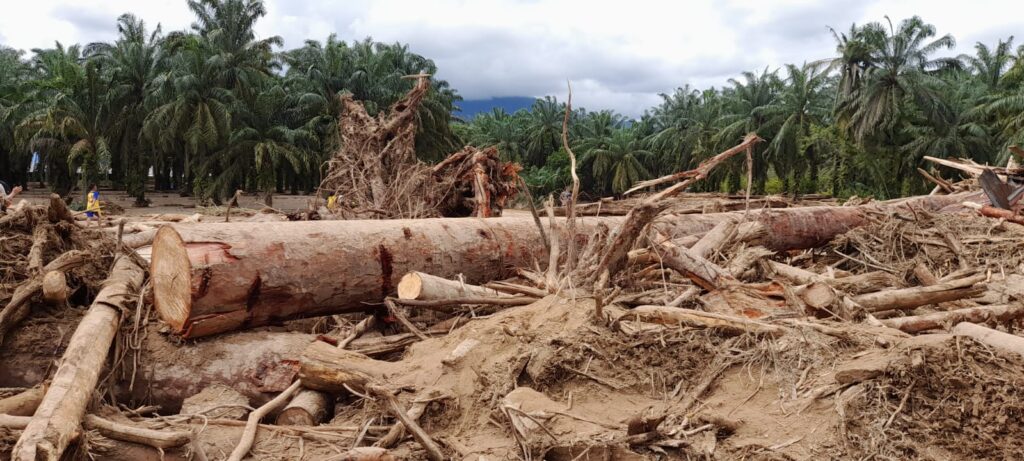
The flash floods and landslides that struck Aceh, North Sumatra, and West Sumatra in late November 2025 appear to have become a defining moment in which the public collectively realized the severe degradation of forests on the island of Sumatra. This major disaster claimed more than 1,000 lives and caused widespread impacts across the affected areas. The government’s notably slow response has generated strong negative sentiment among many who are deeply concerned about inadequate disaster management, which led to an increasing number of casualties and widespread hunger due to delayed aid distribution. Of particular concern was the presence of numerous neatly cut logs carried by the floodwaters, clearly indicating systematic logging activities. These logs starkly revealed to the world the origins of this large-scale tragedy. This reality has laid bare the unavoidable fact of deforestation in Sumatra’s forests—once renowned for their dense vegetation and as critical habitats for protected endemic wildlife.
According to a publication by the Forest Declaration Assessment in a report titled Forest Under Fire: Tracking Progress in 2023 Forest Goals, Indonesia is ranked as the second-highest country in the world in terms of deforestation, with a total of 1.18 million hectares lost—an area equivalent to approximately four times the size of Indonesia’s new capital city, IKN (Kompas, 2024). Large-scale land-use conversion has transformed vast forest areas into oil palm plantations, residential zones, agricultural land, and other uses. This extensive conversion has become a fundamental driver of the major disasters in Sumatra, resulting in far-reaching and severe impacts. Policymakers and permit-issuing authorities responsible for these forest land-use changes have neglected the forest’s primary ecological function as a giant “sponge” that efficiently absorbs rainfall. When this function is disregarded, floods and landslides inevitably occur, as the absence of vegetation impairs water absorption and the natural infiltration of rainwater into the soil.
This disaster may serve as a critical turning point for all generations to recognize and deepen their awareness of the dangers of deforestation, regardless of the fact that our forests have been degraded by irresponsible actors. The time has come to speak out more forcefully against all forms of deforestation in our forests and to use every social media platform available to educate and raise awareness across generations about the importance of forests and the benefits they have long provided to us. We must not wait until it is our turn to suffer floods caused by deforested landscapes. All major impacts begin with small, consistent actions that create lasting change.
Recent Comments