

On Friday, 23 January 2026, the ZeroWaste Center successfully organized the ZeroWaste Bazaar in Sawangan as a community appreciation event for local households that have consistently demonstrated commitment to independent waste segregation at home. The program was designed to recognize and reward residents who sort their waste responsibly and deliver recyclable materials to the Center. In return, participants receive coupons based on the quantity and type of sorted waste contributed. These coupons function as an incentive mechanism and can later be exchanged for essential goods at the Bazaar. The event marked an important milestone in strengthening community-based waste management efforts while reinforcing positive environmental behavior.
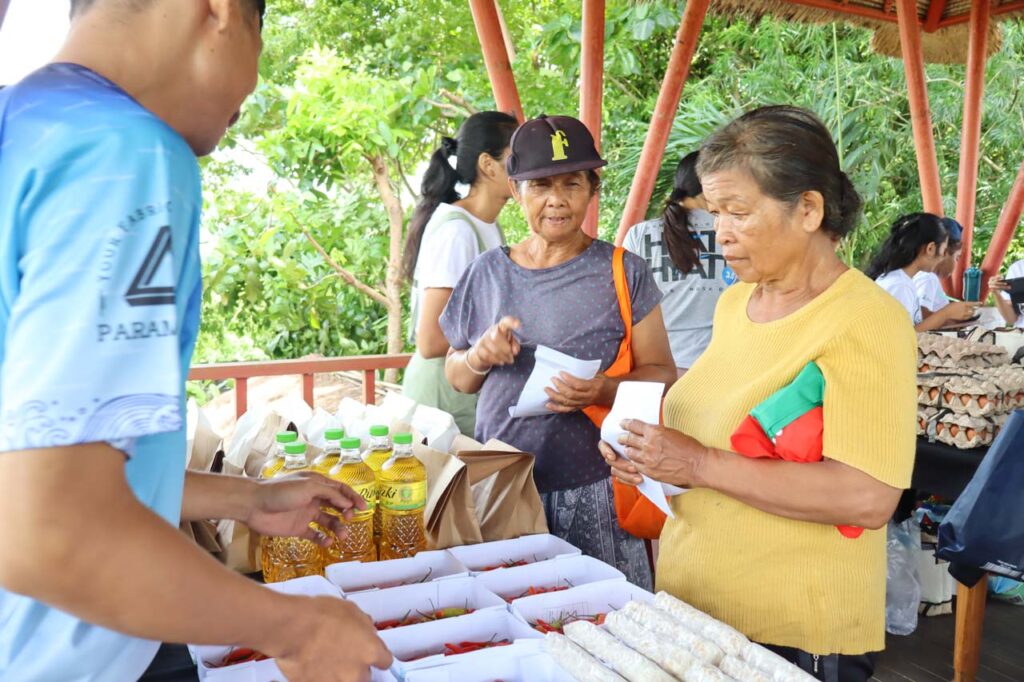
More than 20 households in Sawangan actively participated in the initiative, showing sustained commitment to sorting waste independently before submitting it to the Center. The impact of this program has extended beyond individual participants, creating a broader educational influence within families. Children and other household members have become more aware of waste segregation practices, and discussions around responsible consumption and environmental responsibility have become part of daily routines. During the event, over 3,000 coupons were redeemed by local residents and exchanged for rice, eggs, vegetables, coffee, sugar, stationery, second-hand clothing, and snacks. The high number of coupon redemptions reflects strong engagement and demonstrates the effectiveness of the incentive-based system.
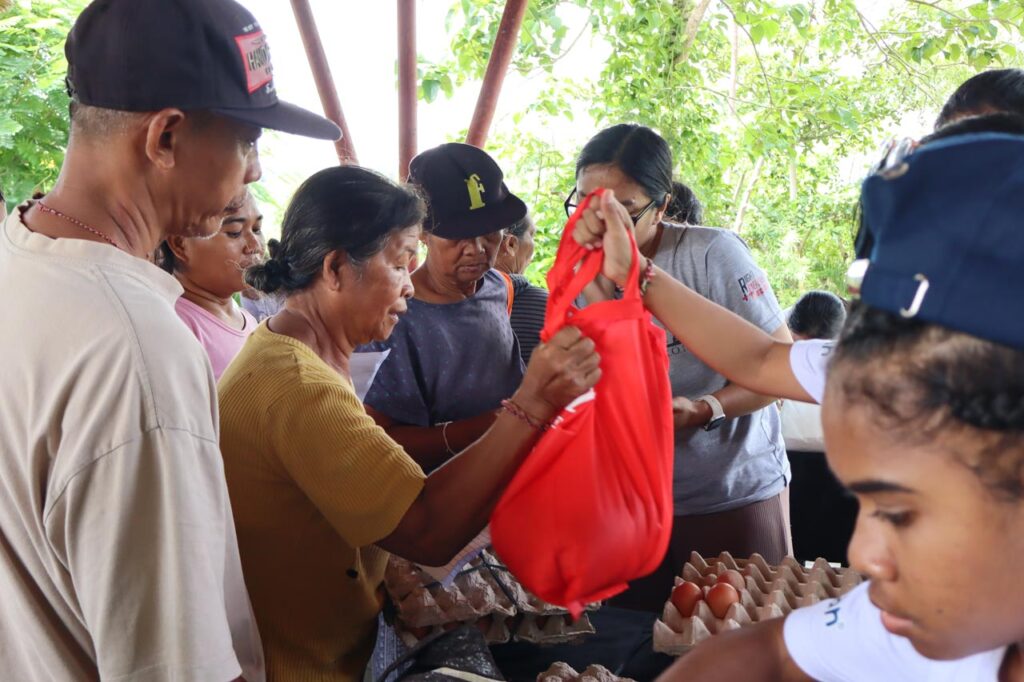
The ZeroWaste Bazaar clearly illustrated a successful circular economy model at the community level. Waste that was previously considered a burden was transformed into economic value through a structured exchange system, where responsible environmental action resulted in tangible household benefits. This cycle—sorting waste, contributing to the Center, receiving coupons, and exchanging them for essential goods—has proven to be a powerful motivator for continued participation. The event not only celebrated community commitment but also strengthened long-term environmental awareness, showing that sustainable practices can generate both ecological and social value for the local community.
Recent Comments