
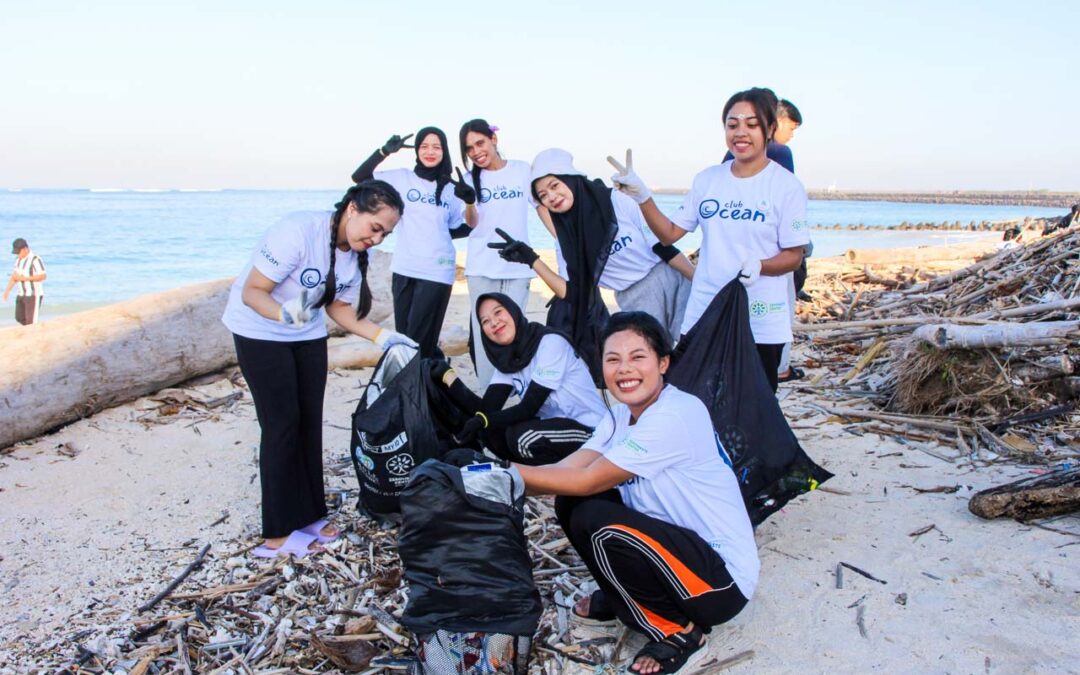
On April 17th, 2026, R.O.L.E. Foundation conducted a Beach Cleanup activity at Kelan Beach. A total 122 participants included R.O.L.E. Foundation Team, Students from SD 6 Pecatu, Bali WISE Students intake 65, and dedicated volunteers joined the initiative, showing a significant increase in community involvement.
The collaborative effort focused on restoring the beauty of Kelan Coastline, empowering the next generation to see waste not as “trash,” but as a resource to be managed. Furthermore, to apply the ZeroWaste training to real-world conservation.
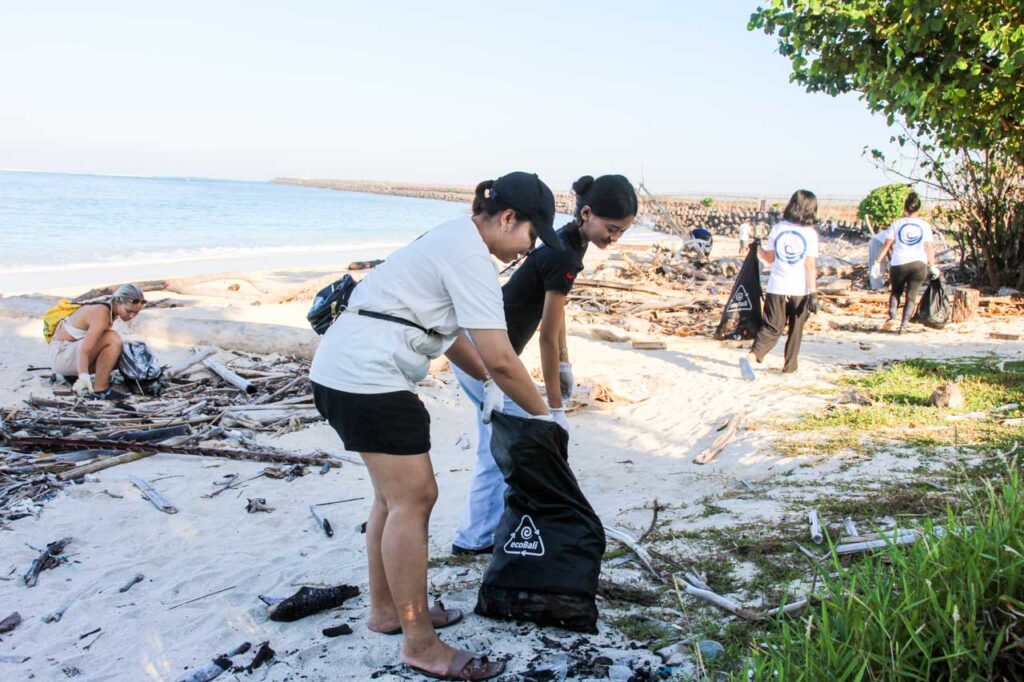
During our cleanup, we successfully collected a total 203.7 kg of inorganic waste. The collection was led by 78.3 kg of residue (permanent sand pollutants) and 60.2 kg of glass bottles (physical hazards to wildlife and beachgoers). We also eliminated “chemical” pollutants, including 12.55 kg of rubber that leaches toxins and 10.75 kg of hard plastics posing entanglement risks. Finally, 7.25 kg of small debris, like lighters and straws, was cleared, removing insidious ingestion risks for seabirds and juvenile marine life.
The Ecological Pulse of Kelan Beach
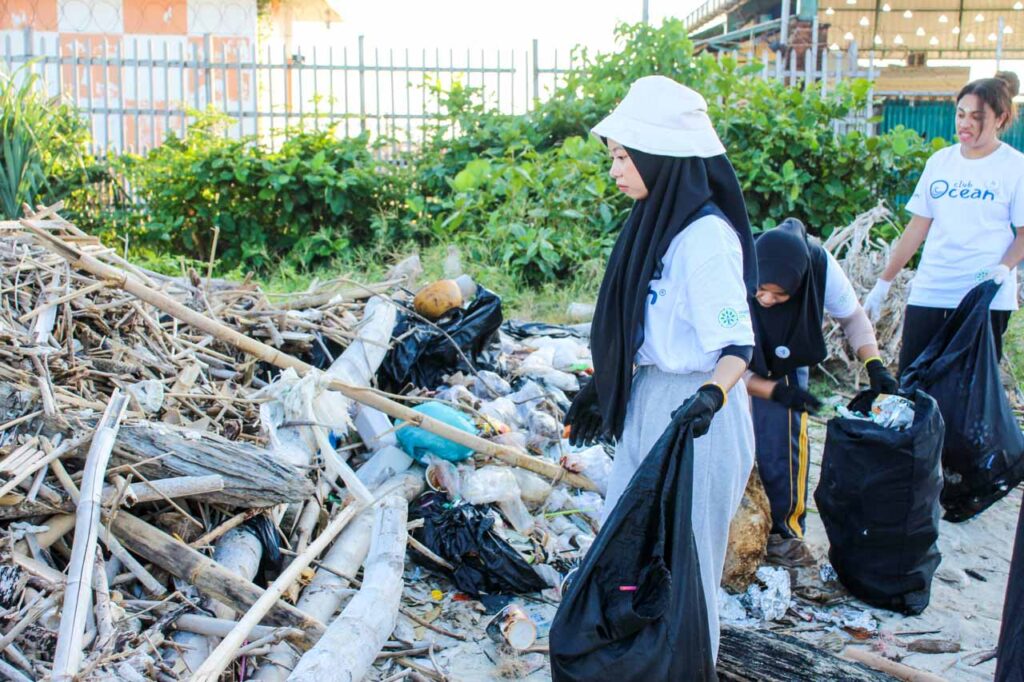
Kelan Beach is more than just a picturesque spot for watching planes glide over the sunset; it is a vital ecological transition zone. Its proximity to the Jimbaran bay area and the airport runaway creates a unique coastal dynamic.
However, this beauty hides a fragile reality. The Beach acts as a natural catchment for marine debris pushed in by the Indian Ocean’s currents and local wind patterns, threatening the very biodiversity that makes Bali’s waters thrive. Every piece tells a story. From the moment the clay is wedged to the final glaze firing, each step in the process is undertaken with meticulous care. Our team of skilled artisans and dedicated apprentices work together to create unique pieces that reflect the beauty of handmade craftsmanship.
The “Invisible” Threat: Microplastics and Marine Life
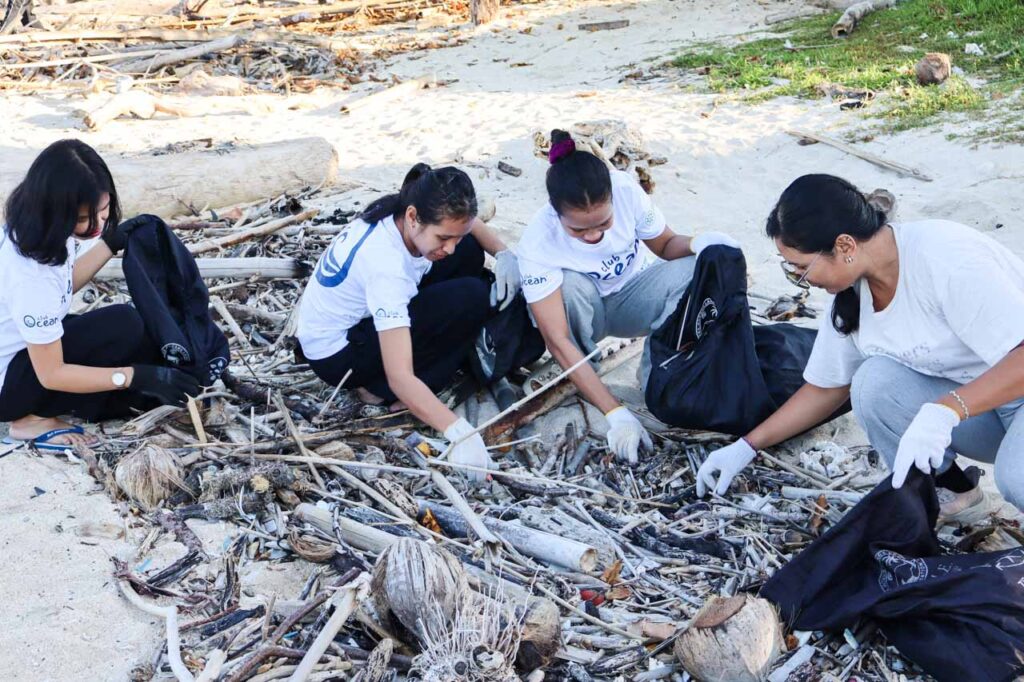
During our cleanup, we collected 203.7 kg of inorganic waste. While the bulk weight is staggering, the ecological concern lies in the breakdown of these materials. Plastics and rubber, like the 12.55 kg of slippers and 11.55kg of PP cups found, do not disappear. Instead, they fragment into microplastics.
Microplastics (tiny particles) are often mistaken for food by local fish and crustaceans, eventually entering the human food chain and impacting the livelihoods of the local Kelan fishing community. By removing these items before they fragment, we are directly protecting the health of the local seafood industry and the marine food web.
Waste Collection
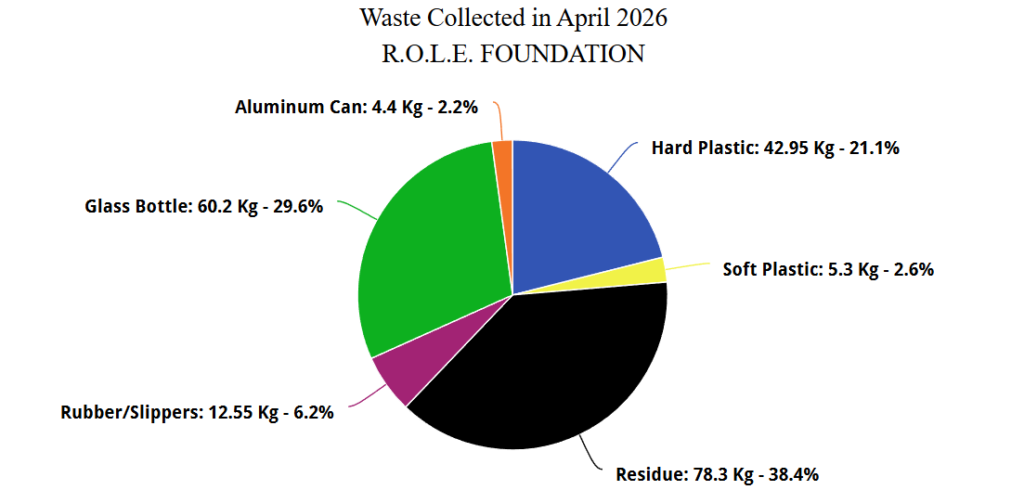
Participants combed the Kelan Coastline, removing inorganic waste that disrupts the local ecosystem and the beach aesthetic appeal.
The gathered waste was transferred to the R.O.L.E. Foundation ZeroWaste Center. At our center, the waste underwent detailed sorting into various categories to ensure maximum recyclability and proper ethical disposal.
Play a ROLE!
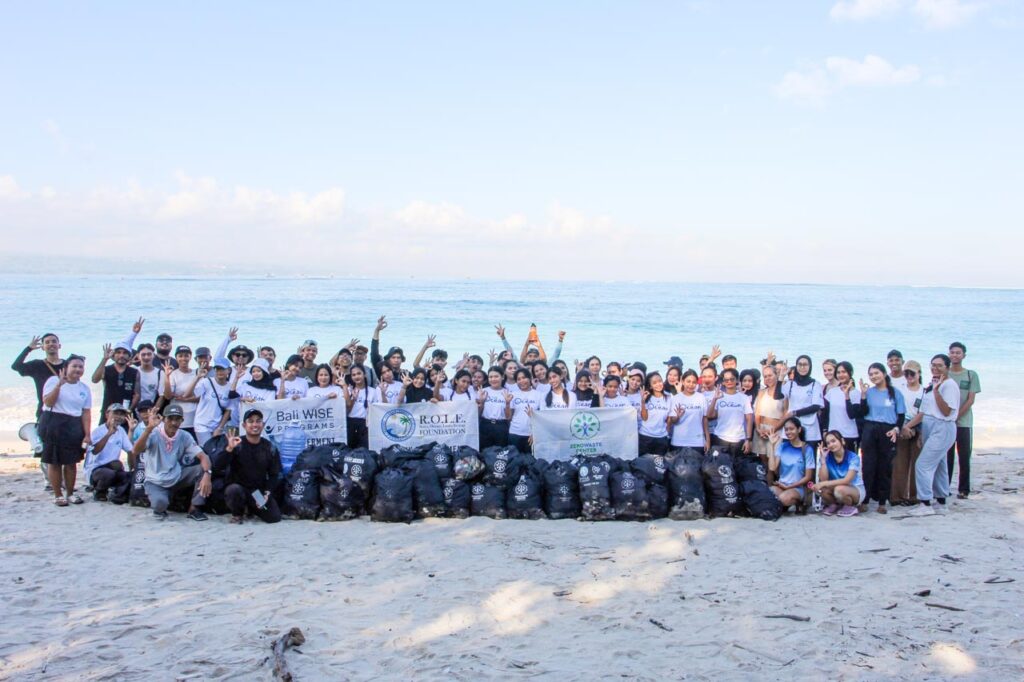
The success of the Kelan Beach cleanup proves that while the challenge of marine debris is vast, it is not insurmountable when we stand together. We invite you, whether as an individual volunteer, a school group, or a corporate partner, to join our Beach Cleanup Program.
Join us in our mission to keep Bali’s waters blue and its beaches golden. Visit the ZeroWaste Center to learn how you can help.
Every hand counts. Together, we can ensure that the only things left behind at Bali Coastline are footprints in the sand and a clear view of the sunset.
Recent Comments