
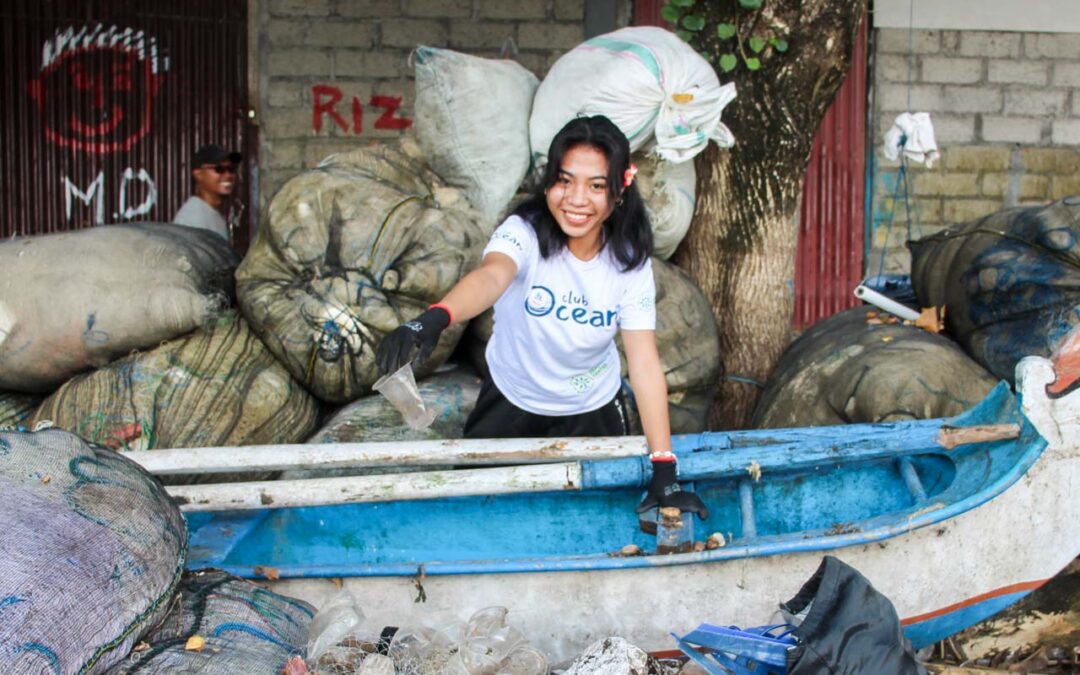
On 15 May 2026, the R.O.L.E. Foundation conducted a beach cleanup activity at Kedonganan Beach in collaboration with SD 6 Pecatu, involving 20 students in the program. The initiative was also supported by Bali WISE students, as well as R.O.L.E. Foundation staff and volunteers, with total participation reaching around 60 individuals. Within a short period of time, the team successfully collected 176.85 kilograms of non-organic waste from the coastal area near the local fish market. All waste collected during the activity was transported to the ZeroWaste Center for detailed sorting and proper processing. We would also like to express our appreciation to Club Ocean for their continuous support in making this activity possible. As part of the educational component of the program, participants directly took part in the waste-sorting process, providing them with hands-on experience in responsible waste management practices related to coastal debris. Although a single cleanup activity cannot fully address the larger issue of marine pollution, this initiative serves as an important step in increasing public awareness and encouraging greater understanding of the serious waste problems affecting coastal environments, which are largely caused by inadequate waste management systems.
Location and Condition of the Beach
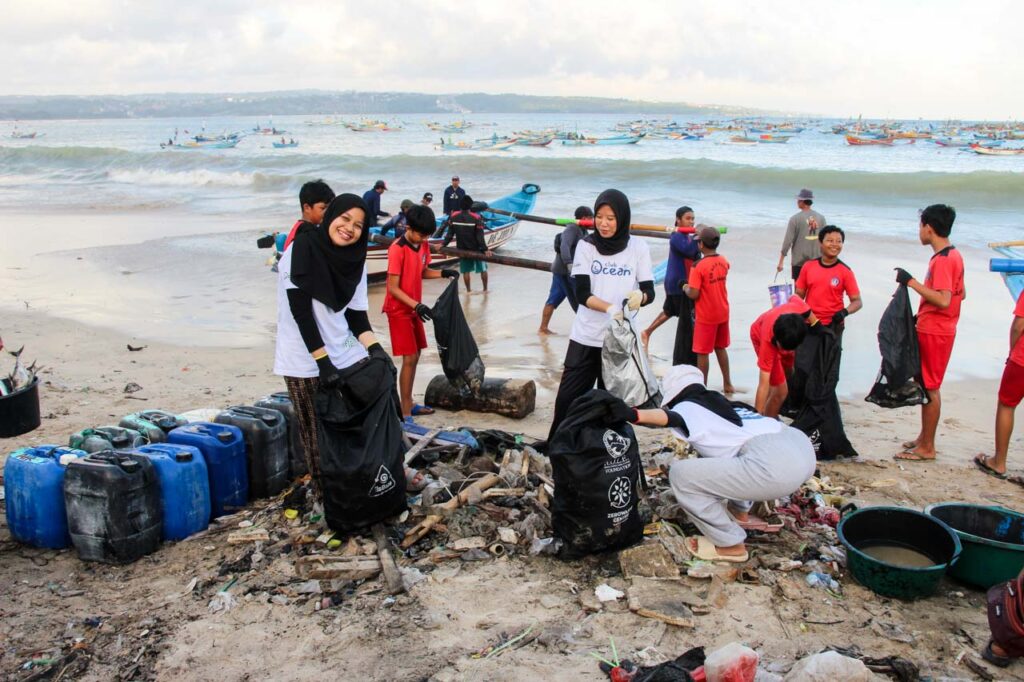
Kedonganan Beach, located near Jimbaran, is widely recognized for its vibrant fish market and scenic coastal environment. The beach attracts both local residents and international tourists, creating a distinctive cultural atmosphere influenced by traditional fishing activities and seafood trading. However, the growing number of visitors has also led to an increase in waste pollution, with plastic debris, food packaging, and other non-biodegradable materials frequently found along the shoreline. Addressing this issue is essential not only to preserve the beach’s natural beauty and environmental balance, but also to maintain the sustainability of marine ecosystems and protect the livelihoods of coastal communities that rely heavily on marine resources.
Waste Collection and Separation
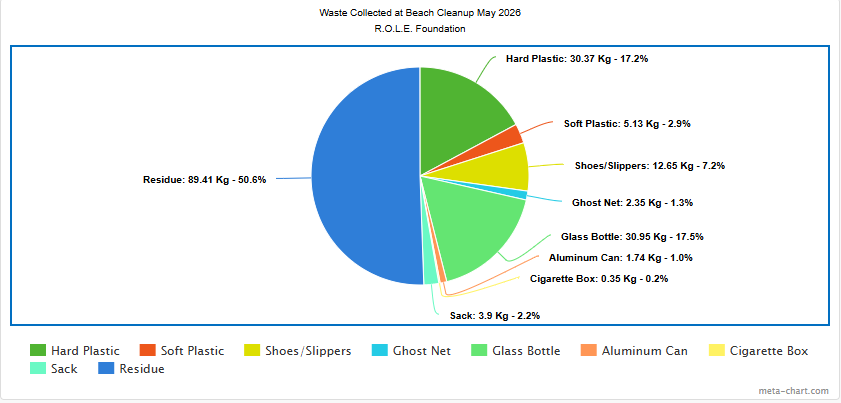
In approximately one hour, participants collected a total of 176.85 kilograms of non-organic waste during the cleanup activity. More than half of the waste consisted of residual materials that were either severely damaged or contaminated, making them unsuitable for further processing at our facility. These materials will therefore be transported to a landfill for proper disposal and management. Glass bottles contributed a significant portion of the collected waste, totaling nearly 30 kilograms. These items will be processed at our center, with some materials distributed to a waste bank to support more effective recycling efforts. Hard plastics, including plastic bottles, cups, and styrofoam, represented approximately 17.2% of the total waste collected and will also be sent to the waste bank for recycling. Meanwhile, soft plastics and other miscellaneous items, such as shoes and sandals, made up a smaller percentage of the debris recovered during the cleanup activity.
Play a ROLE!
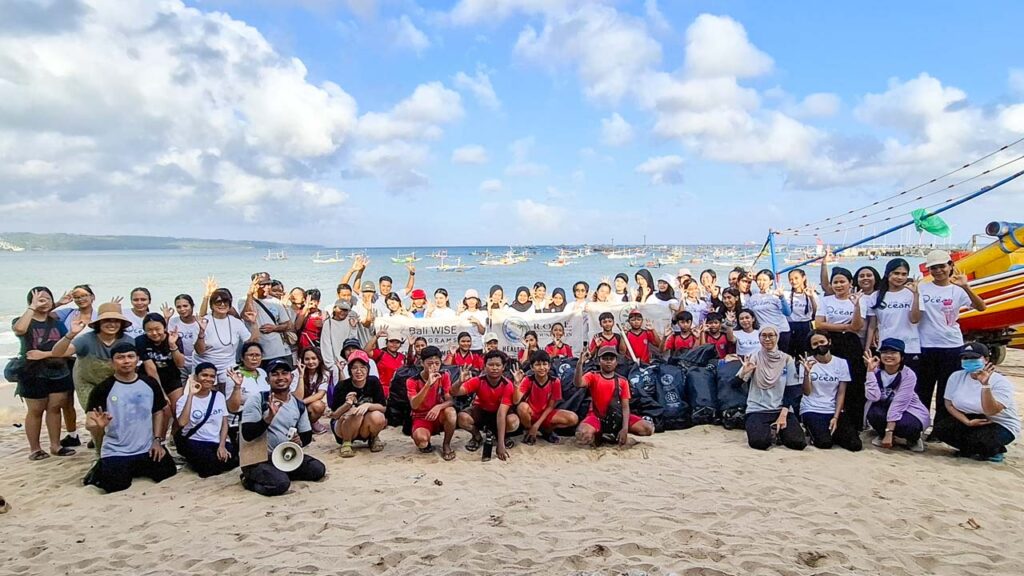
Every piece of plastic we pull from the sand is a victory, but we can’t do it alone. While our volunteers and students give their time and energy on the ground, we rely on your generosity to keep these vital cleanups running.
By making a donation today, you directly fund:
- Essential Gear: Heavy-duty gloves, protective equipment, and durable waste bags for our volunteers and young eco-warriors.
- Logistics & Sorting: Transporting collected debris to our ZeroWaste Center for meticulous, responsible processing and recycling.
- Community Education: Empowering more local schools, like SD 6 Pecatu, with hands-on environmental awareness programs.
No contribution is too small to make a wave of difference for Bali’s coastlines. Together, we can turn the tide on marine pollution.
Recent Comments